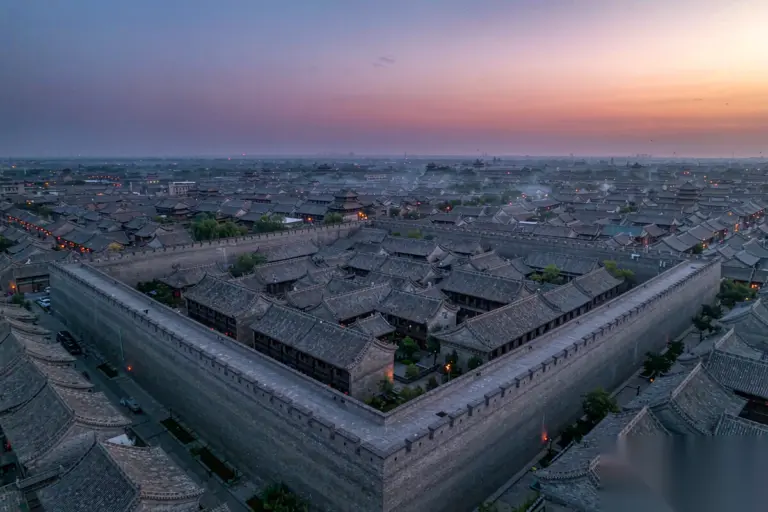
The Forbidden City is the world’s largest palace complex — 980 buildings, thousands of rooms, 72 hectares in the middle of Beijing.
Most visitors walk through in two hours, photograph the big halls, and leave. That’s fine. But there are nine things worth knowing that make the place come alive.
1. The name is a warning
“Forbidden” wasn’t an exaggeration. For 500 years, ordinary people couldn’t enter. The emperor lived at the center, and the closer you got, the more forbidden it was.
The Chinese name is 紫禁城 — “Purple Forbidden City.” Purple refers to the North Star, which the emperor was said to mirror on earth.
2. 9,999 rooms (sort of)
Legend says the palace has 9,999 rooms — just short of the 10,000 that would belong to heaven. A symbol of humility.
In reality, the count is closer to 8,700. Close enough.
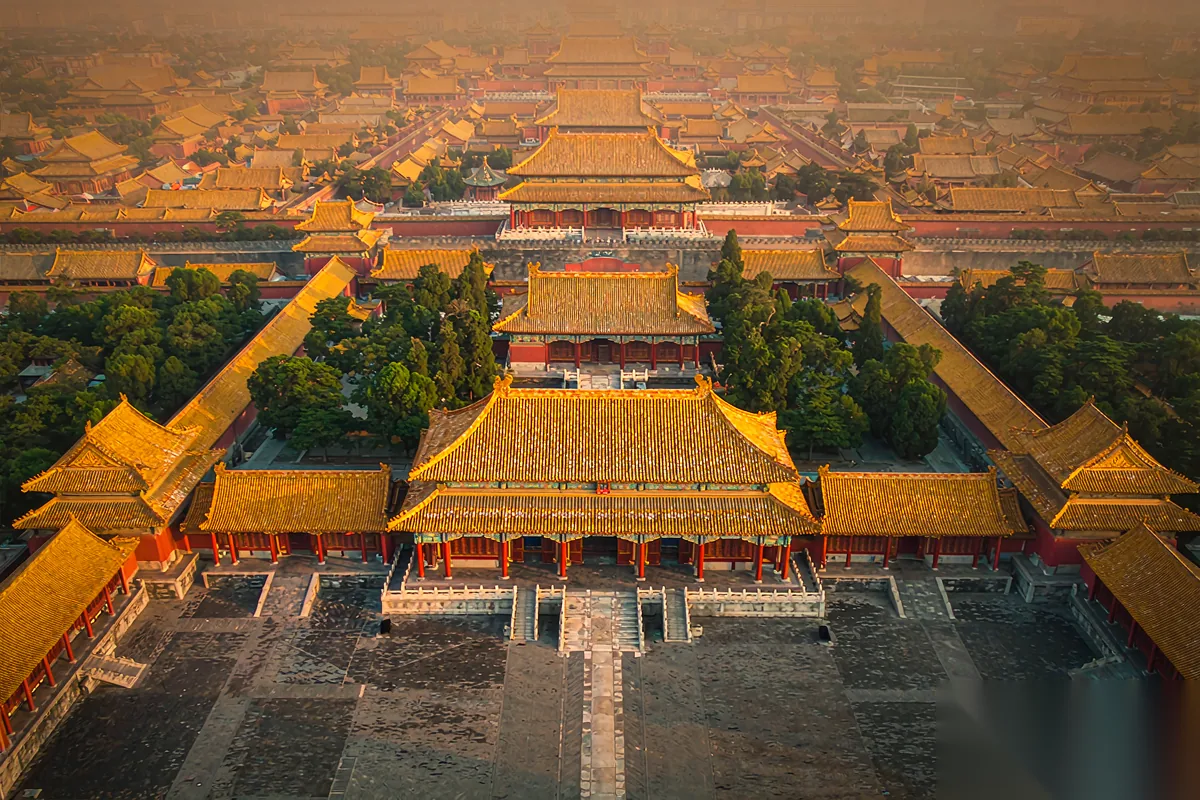
3. It’s built on a north-south axis
The whole complex is aligned on a strict north-south axis — the same axis that runs through Beijing and continues to the Temple of Heaven.
The emperor sat facing south. Everything else faced him.
4. The colors have meaning
- Yellow roofs: the emperor’s color. Only imperial buildings could use it.
- Red walls: joy, luck, and protection.
- Grey roofs: for servants’ quarters and storage — deliberately plain.
5. There are no trees in the main courtyards
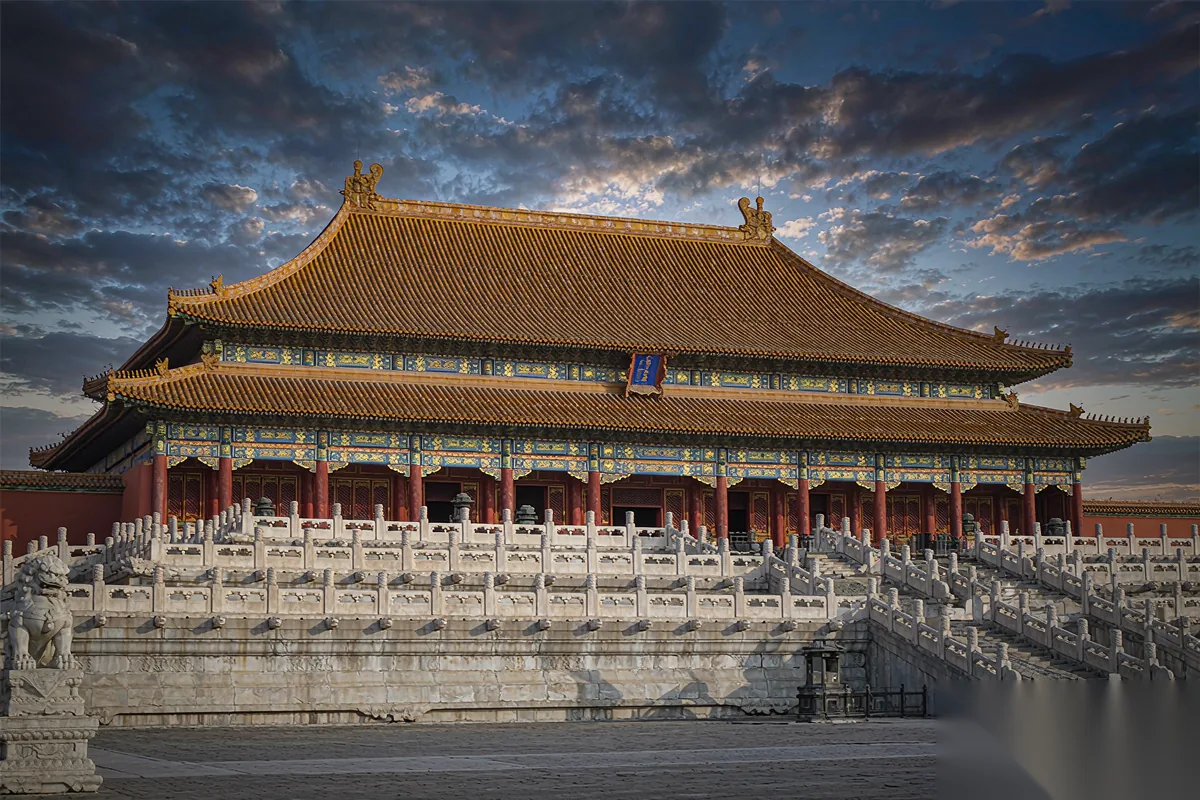
The three great halls have no trees. The official reason: to keep the space open and impressive — and to prevent assassins from hiding.
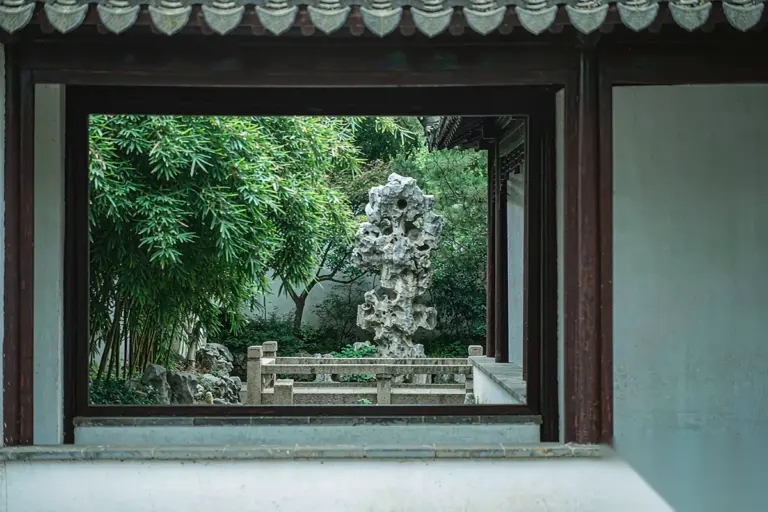
Trees appear in the imperial gardens at the back, as a deliberate contrast.
6. The dragon count is absurd
Dragons are everywhere: on roofs, walls, doors, and the famous Nine-Dragon Wall. The throne room alone has thousands.
The dragon was the emperor’s symbol. More dragons meant more power.
7. It survived 600 years of fires
Wooden palaces burn. The Forbidden City has burned and been rebuilt many times. The current buildings are mostly Qing Dynasty (1644–1912) reconstructions.
8. The last emperor left in 1924
Puyi, the last Qing emperor, was expelled from the palace in 1924. He was 18. The palace became a museum the next year.
9. It’s a museum now — but it was a home
The most striking thing about the Forbidden City isn’t the scale. It’s the small details: the courtyards where princes played, the kitchens, the wells.
It was a home for 24 emperors, their families, and thousands of servants. For most of them, it was also a prison.
Want the full story?
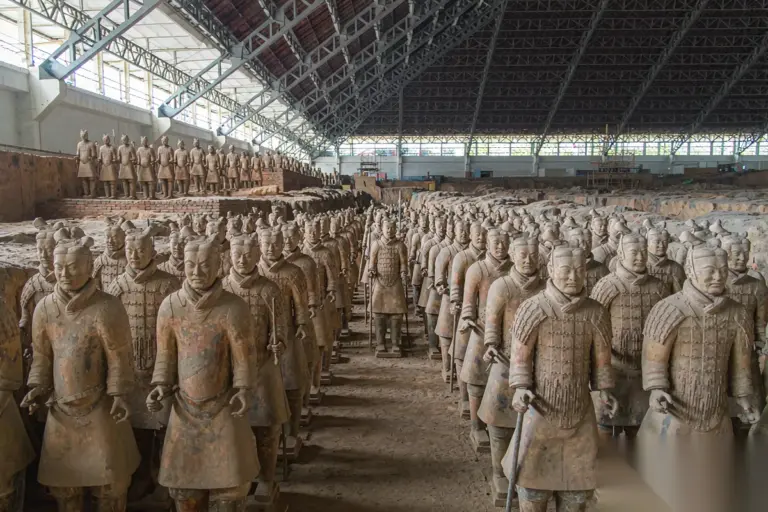
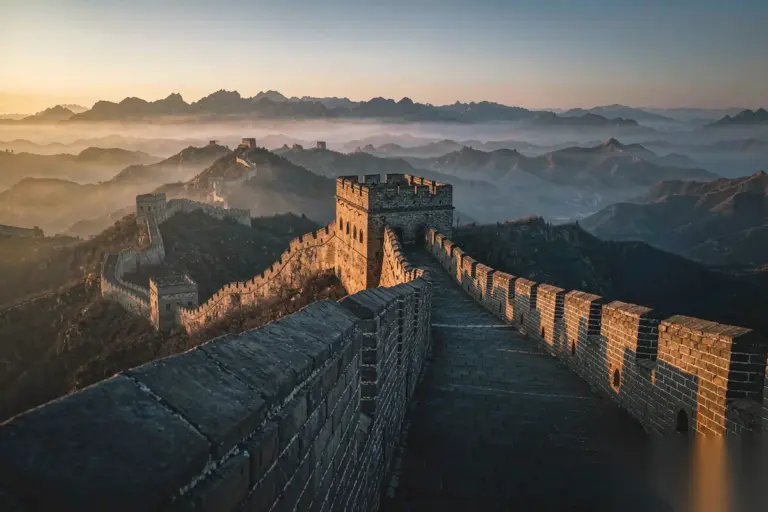
Our book Great Chinese Architecture covers the Forbidden City, the Great Wall, the Terracotta Warriors, and more — the stories behind the stones, in plain English.
And for the old towns where that architecture still lives, Old Chinese Towns is the companion.