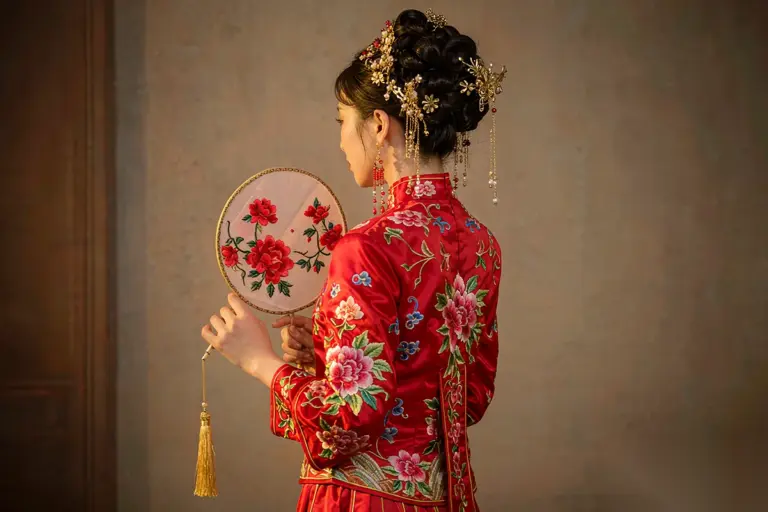
Look at any Chinese New Year celebration and you’ll see one color everywhere: red.
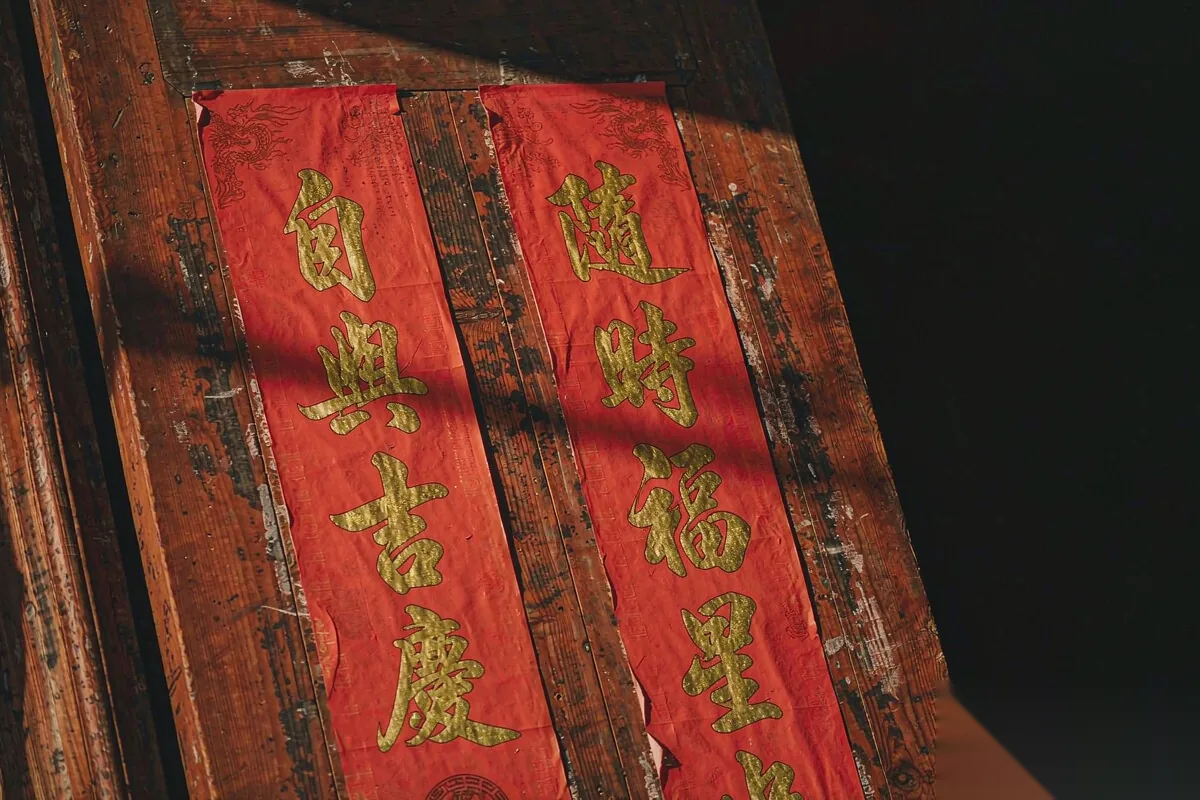
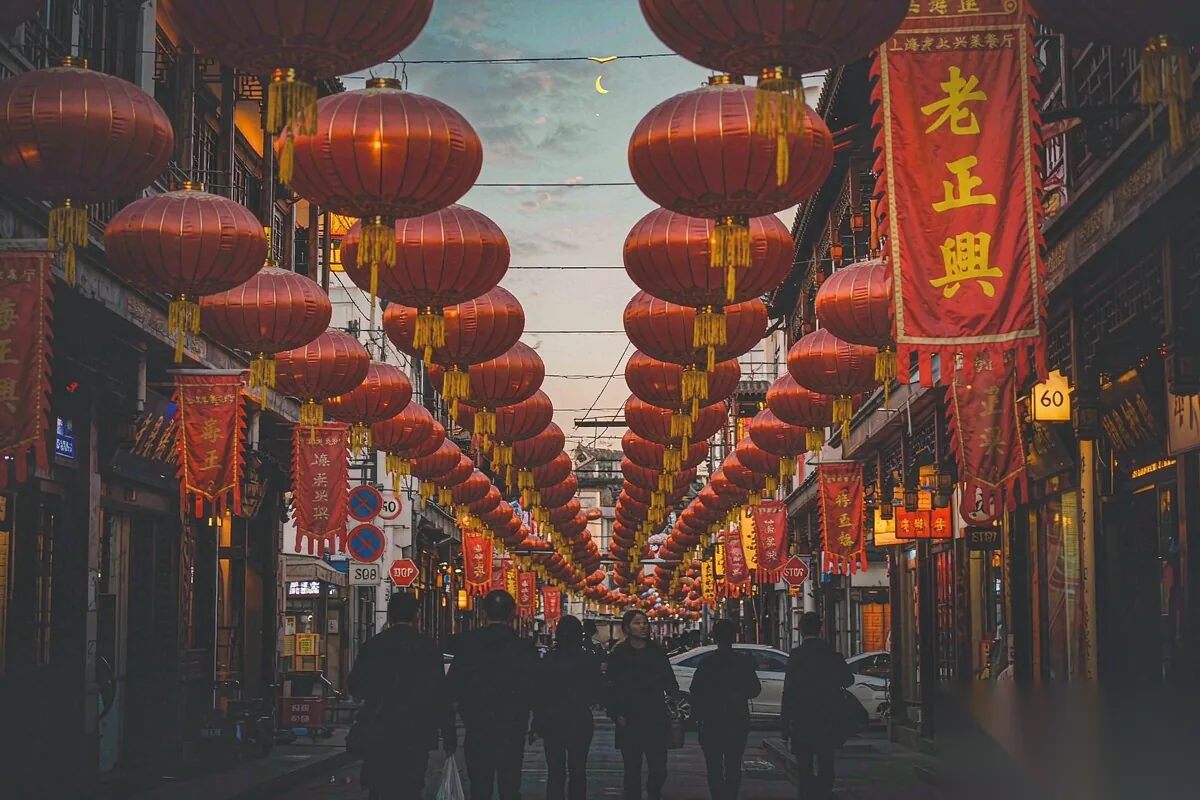
Red lanterns. Red couplets on doorways. Red envelopes. Red clothes. Even the food is often red.
Why? Three reasons, layered on top of each other.
Reason 1: The monster
The oldest explanation is a monster called the Nian.
Legend says the Nian came out on New Year’s Eve to eat villagers. It feared three things: loud noises, bright lights, and the color red.
So people wore red, hung red paper on their doors, and set off firecrackers. The monster fled. The traditions stayed.
It’s a folk tale — but it explains why red became the color of protection.
Reason 2: Red means life
In Chinese culture, red is the color of blood, fire, and life. It’s also the color of joy.
Weddings use red, not white. (White is for funerals in China — the opposite of Western tradition.) A newborn baby gets red eggs. A new shop gets red banners.
Red is what you use when something good is happening.
Reason 3: It’s a visual language
In a country as big as China, with many dialects and regional differences, color is a shared language.
Red says “celebration” without a word. During New Year, the whole country turns red at once — and everyone understands.
What red things mean
| Red item | Meaning |
|---|---|
| Red couplets (春联) | Good wishes for the year, posted on doors |
| Red lanterns | Light, celebration, guidance |
| Red envelopes (红包) | Money plus blessing |
| Red clothes | Joy, especially for children |
| Red paper cuttings | Decoration and good luck |
Is red always lucky?
Almost. There’s one exception: writing someone’s name in red ink is traditionally considered bad luck (it was once used for death sentences). So don’t sign a letter in red.
Other than that, red is safe. Red is good. Red is the color of the year.
Want the full story?
Our book Chinese Festivals covers all the New Year traditions — red couplets, reunion dinner, fireworks, and the zodiac — in plain English.
And if you want the Nian story in full, Chinese Folktales has it.