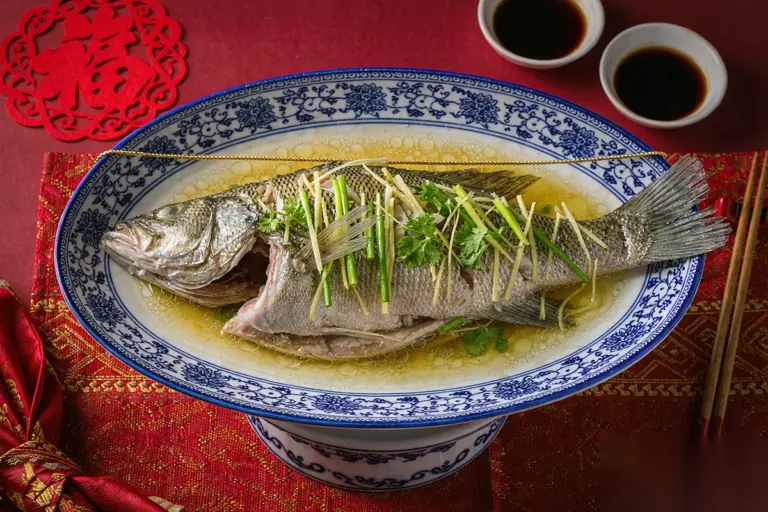
Ask someone to name Chinese food and they’ll say dumplings, noodles, fried rice. Not wrong. But that’s like summing up Italian food as “pizza.”
Chinese food culture is one of the oldest and most varied on Earth — eight great cuisines, hundreds of regional dishes, and a set of table rules that go back thousands of years.
Here’s the plain-English tour.
It’s not one cuisine. It’s eight.
China is huge. The food in the north is nothing like the food in the south, and neither is like the west.
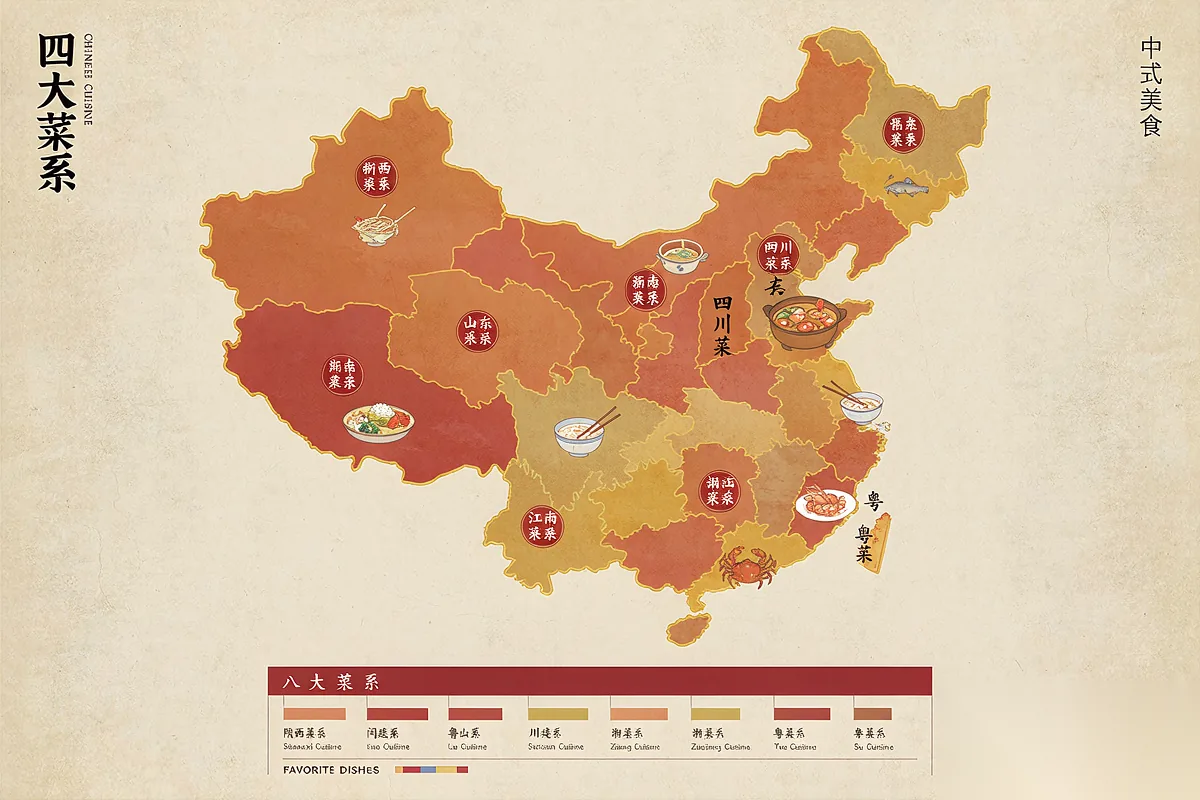
The “Eight Great Cuisines” (八大菜系) are the traditional map:
- Sichuan — numbing, spicy, bold
- Cantonese — fresh, steamed, subtle
- Shandong — savory, hearty, salt-forward
- Jiangsu — sweet, delicate, saucy
- Zhejiang — fresh, light, elegant
- Fujian — umami, soup-heavy
- Hunan — hot, sour, smoky
- Anhui — wild herbs, mountain flavors
Most “Chinese restaurants” abroad serve a mix of Cantonese and Sichuan — which is why people think Chinese food is “sweet and sour” or “spicy.” It’s both. And neither.
The rice vs. noodle line
Roughly: the south eats rice, the north eats noodles and wheat.
The Yangtze River is the dividing line. South of it, rice paddies. North of it, wheat fields. That one geographic fact shaped a thousand dishes.
Balance is the whole point
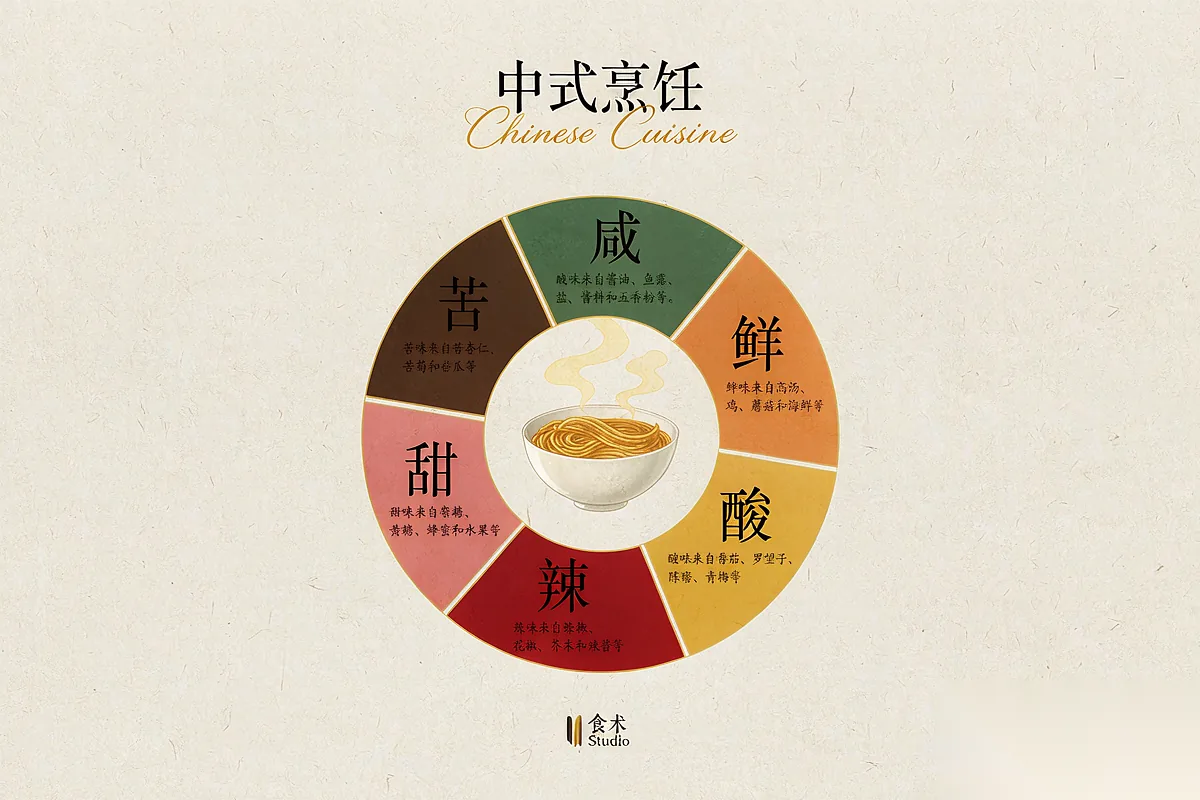
Chinese cooking isn’t about one flavor. It’s about balancing several: salty, sweet, sour, bitter, umami, and spicy (麻辣).
A good dish doesn’t taste “spicy.” It tastes complete — the heat is there, but so is the sweetness that cuts it, the acid that lifts it, the salt that grounds it.
This is why Chinese recipes so often say “adjust to taste.” The balance is the recipe.
The table rules
A few things that surprise first-time visitors:
- Sharing is default. Dishes go in the middle; everyone picks from them.
- Rice comes last (or alongside, not first).
- Chopsticks, not forks — though you’ll get a spoon for soup.
- Tea, not cold water. Hot tea with meals is standard.
- The host orders too much. It’s a sign of generosity, not a mistake.
Where tea fits
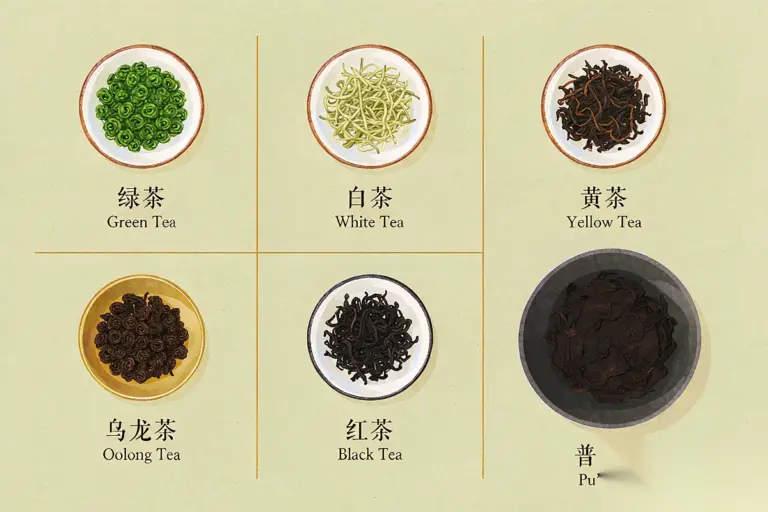
Tea isn’t just a drink here. It’s a ritual, a greeting, a way to slow down.
A meal often starts with a pot of tea and ends with one. In the south, “yum cha” (drink tea) means dim sum. In the north, a thermos of jasmine tea goes everywhere.
The takeaway
Chinese food culture isn’t a list of dishes. It’s a way of thinking: balance, sharing, seasonality, and a deep respect for doing simple things well.
You don’t need to memorize the eight cuisines. You just need to eat with an open mind — and maybe learn to hold chopsticks.
Want the full story?
Our book The Story of Chinese Food & Tea takes you through the kitchen and the teahouse, one simple story at a time.
And if festivals are your thing, Chinese Festivals explains why certain foods show up on certain days.