So you want to read Chinese classics. You open a bookstore site, see a hundred titles, and quietly close the tab. Sound familiar?
I get it. Chinese literature has a reputation — thousands of years, dozens of dynasties, names you can’t pronounce. It feels like homework before you’ve even started.
But here’s the thing: it doesn’t have to be. You don’t need a PhD. You don’t need to start with the heaviest book. You just need the right door in.
This guide gives you five doors, in the order most readers enjoy them most.
Start with stories, not philosophy
The biggest mistake beginners make is starting with the Analects or the Tao Te Ching. They’re brilliant, but they’re also dense — every sentence is a puzzle, and without context they read like fortune cookies.

Start with stories instead. Folktales, myths, festivals — these were told around dinner tables for centuries, not written for scholars. They’re easy to follow, and they quietly teach you the culture along the way.
Door 1: Chinese Folktales
If you only read one book, read this one.
Chinese Folktales gives you the stories every Chinese kid grows up with — the moon goddess who drank an elixir, the snake spirit who fell in love with a mortal, the cowherd and the weaver girl separated by the Milky Way.
They’re short, they’re strange, and they’re a perfect first taste. You’ll finish one in ten minutes and immediately want another.
Door 2: Chinese Festivals
Once you know the stories, you start noticing them everywhere — in lanterns, in mooncakes, in dragon boats racing down rivers every summer.
Chinese Festivals connects the dots. Why do a billion people light lanterns? Why do we eat mooncakes? Why does the whole country go quiet on Qingming?
It’s the “why” book. After reading it, half the things you see in a Chinese neighborhood suddenly make sense.
Door 3: The Classic of Mountains and Seas
Ready for something weirder?
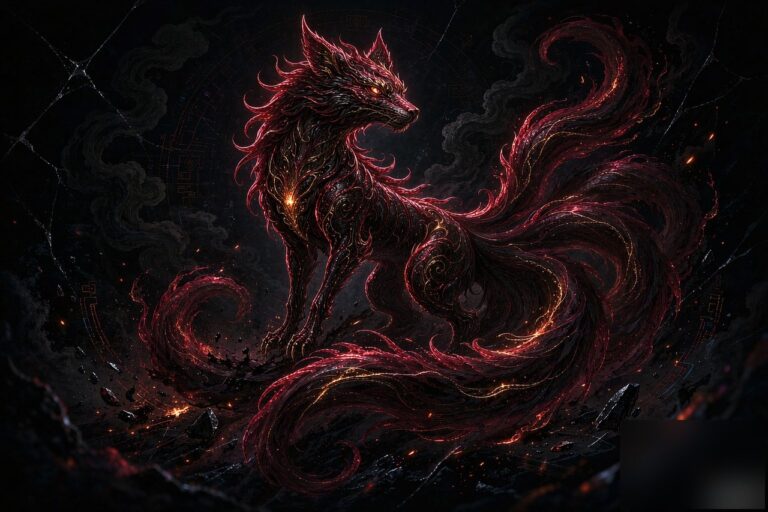
The Classic of Mountains and Seas is China’s oldest book of mythical creatures — a 2,000-year-old field guide to beasts that never existed. Nine-tailed foxes. One-eyed giants. Dragons that control the weather.
It’s strange, beautiful, and surprisingly funny. If you like fantasy or folklore, this is your gateway in.
Door 4: Great Chinese Architecture
Now let’s leave the page and walk into the physical world.
Great Chinese Architecture tells the stories behind the stones — who built the Great Wall, why the Forbidden City has 9,999 rooms, and how the Terracotta Warriors stood guard for 2,000 years.
It’s history you can picture. And if you ever visit China, you’ll see these places with different eyes.
Door 5: Old Chinese Towns
Finally, the quiet one.
Old Chinese Towns takes you to Pingyao, Lijiang, and Fenghuang — towns where the streets still remember a thousand years. Stilt houses by the river, canals winding through the old city, walls that have watched dynasties come and go.
It’s the book you read slowly, on a Sunday, with tea.
A note on translation
Here’s the honest part: most Chinese classics are translated for scholars. Long sentences. Footnotes. Words you have to look up twice.
Ours aren’t. We translate the way a friend would tell you a story — plain English, no homework. If a sentence needs a dictionary, we’ve missed the point.
That’s the whole idea behind Chinglishtogo. Not “the most accurate translation.” The one you’ll actually finish.
Where to go next
Start with one book. Any door above works. Read it in a week, then pick another.
Before you know it, you’ll be the person at the dinner table explaining why there’s a rabbit on the moon.
And honestly? That’s a pretty good place to be.