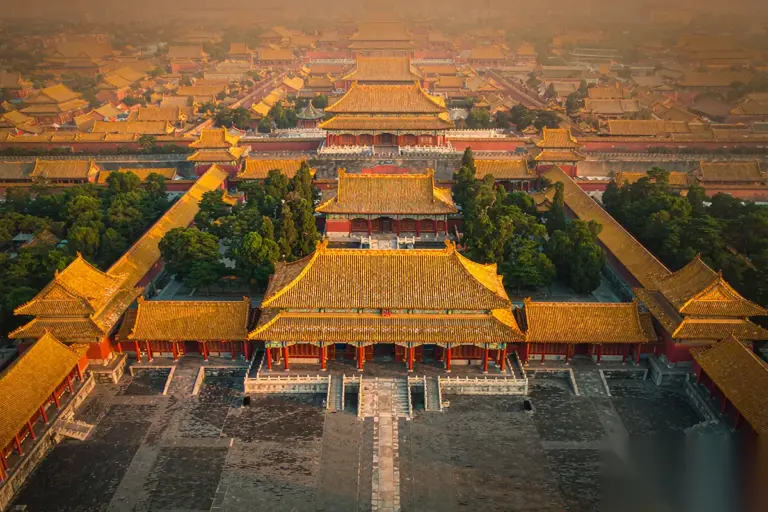
The Great Wall is the most photographed structure in China and the most misunderstood. “You can see it from space” — no. “It’s one long wall” — no. “It was built all at once” — definitely no.
Here’s what’s actually true.
1. It’s not one wall
The Great Wall is a network of walls, trenches, and natural barriers built over 2,000 years by different dynasties. Some sections are mud, some are stone, some are brick. They don’t all connect.
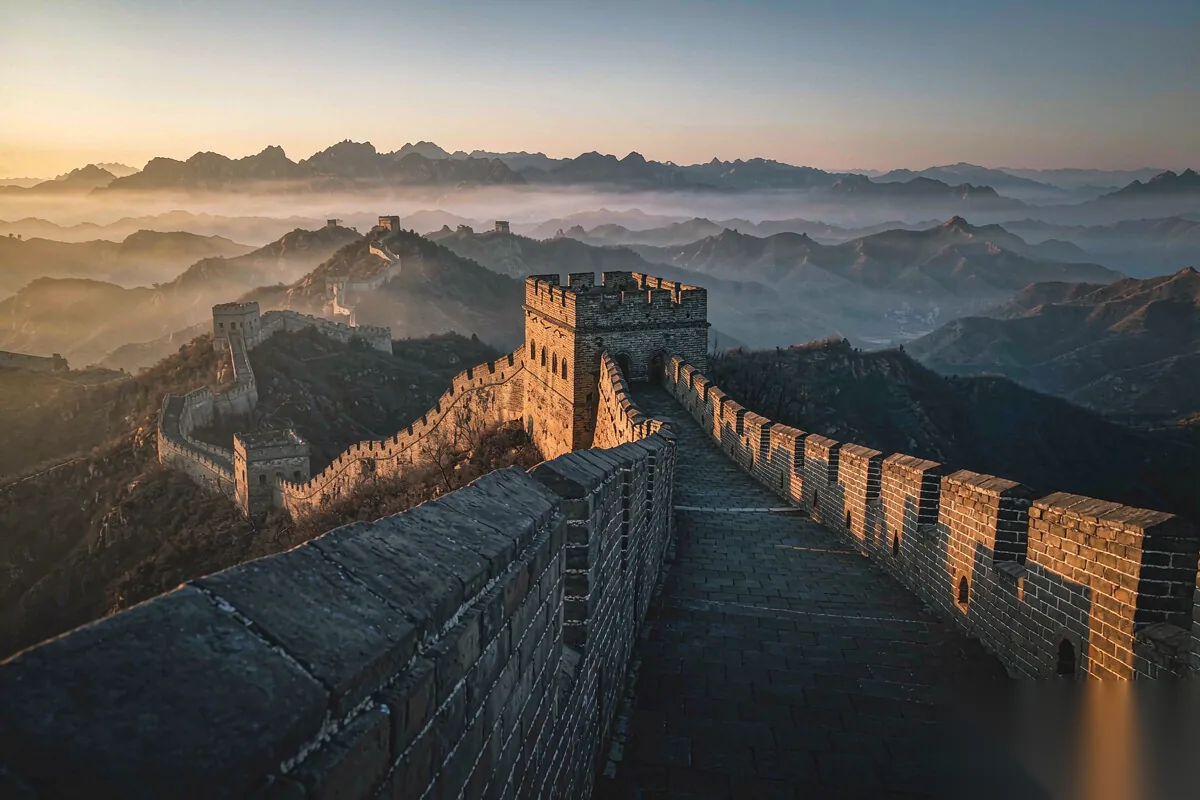
When people say “the Great Wall,” they usually mean the Ming Dynasty sections — the iconic brick walls near Beijing.
2. You can’t see it from space (with the naked eye)
This myth refuses to die. Astronauts have confirmed it: the Wall is too narrow to see from orbit without magnification.
It’s long, yes — but it’s also thin, and it blends into the landscape.
3. It was built to stop horses, not soldiers
The main threat was Mongolian cavalry. The Wall’s job was to slow horses down and give defenders time to react — not to create an impassable barrier.
Gates were the weak points. Most invasions went through gates, not over walls.
4. It took 2,000 years
The first walls went up in the 7th century BC. The most famous sections were built by the Ming Dynasty (1368–1644). That’s a 2,000-year construction project, on and off.
5. Millions of workers died
The Wall was built by soldiers, peasants, and prisoners. Conditions were brutal. Estimates of deaths range from hundreds of thousands to over a million. It’s sometimes called “the longest cemetery on Earth.”
6. The Ming Wall is the one you see
If you visit Badaling or Mutianyu, you’re seeing Ming-era brickwork — about 600 years old. Older sections (Han, Qin) are mostly earth and rubble, scattered across the countryside.
7. There’s a “wild wall”
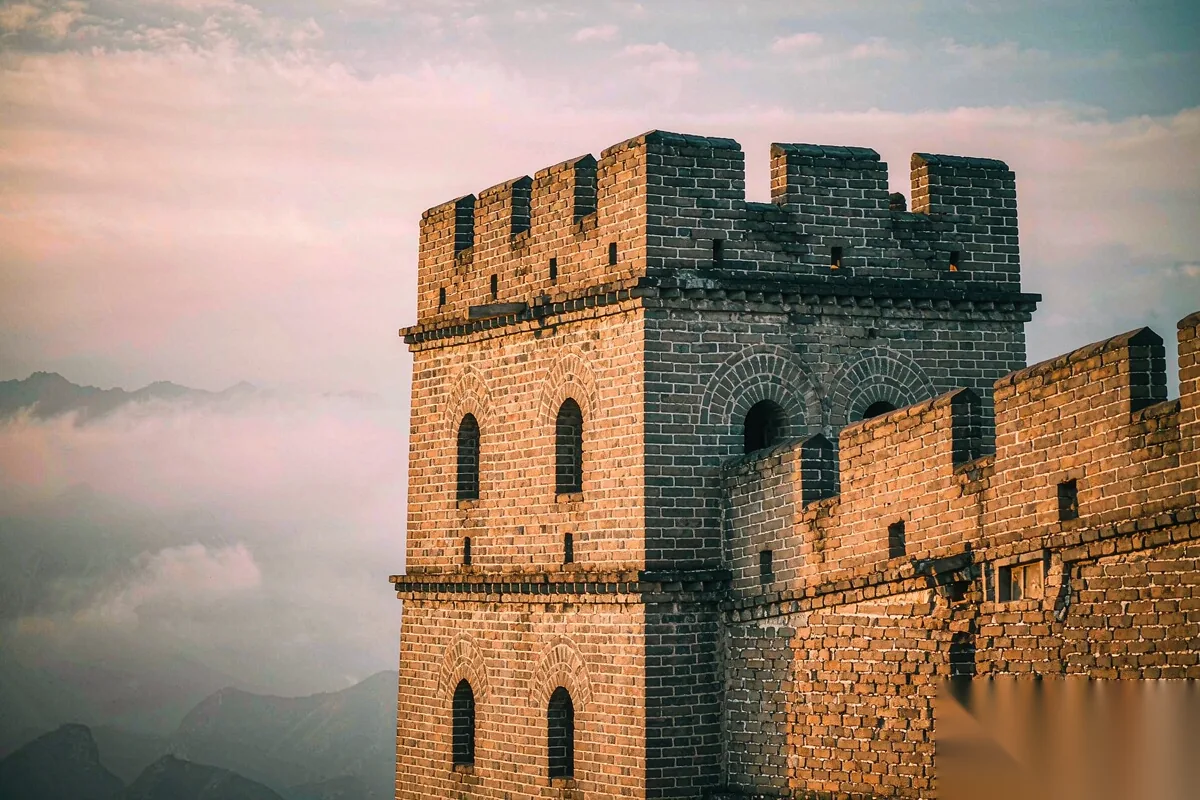
Beyond the restored tourist sections, there are hundreds of kilometers of unrestored Wall — crumbling, overgrown, sometimes dangerous. Hikers love it. Authorities discourage it.
8. It’s not just a wall
The Wall included watchtowers, barracks, signal stations, and supply roads. It was a military system, not a single structure.
Smoke signals from tower to tower could relay a message hundreds of kilometers in hours.
9. It worked — sort of
The Wall didn’t stop invasions forever. But it did slow them, control trade, and mark a border for centuries. For an empire, that was enough.
Want the full story?
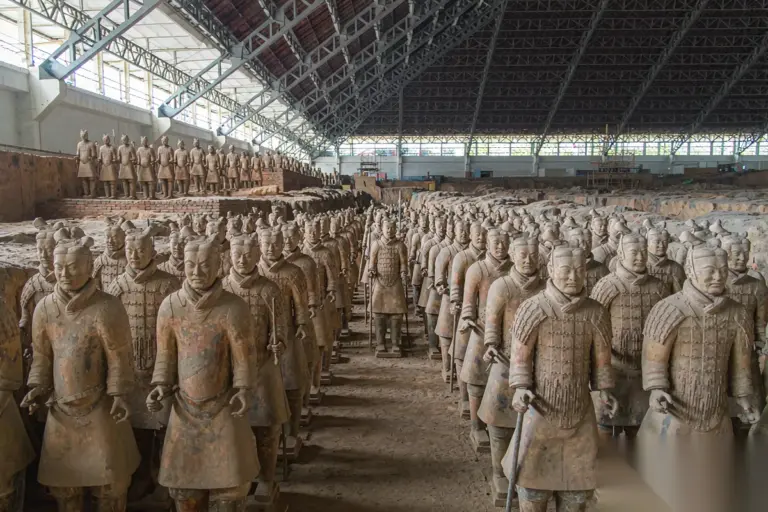
Our book Great Chinese Architecture covers the Wall, the Forbidden City, and the Terracotta Warriors — the stories behind the stones, in plain English.
And if you want the myths and legends that grew up around these places, Chinese Folktales has you covered.