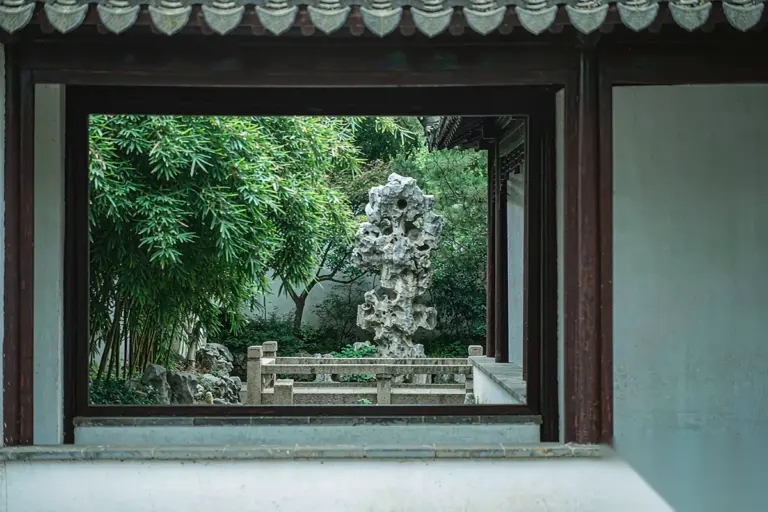
If you want to see what a Chinese city looked like 600 years ago, you go to Pingyao.
It’s a walled city in Shanxi province, about 700 km southwest of Beijing. Unlike most historic towns, Pingyao wasn’t rebuilt into a theme park — it was simply preserved, mostly by being too poor to modernize.
Today it’s a UNESCO World Heritage site, and one of the best places in China to feel the past.
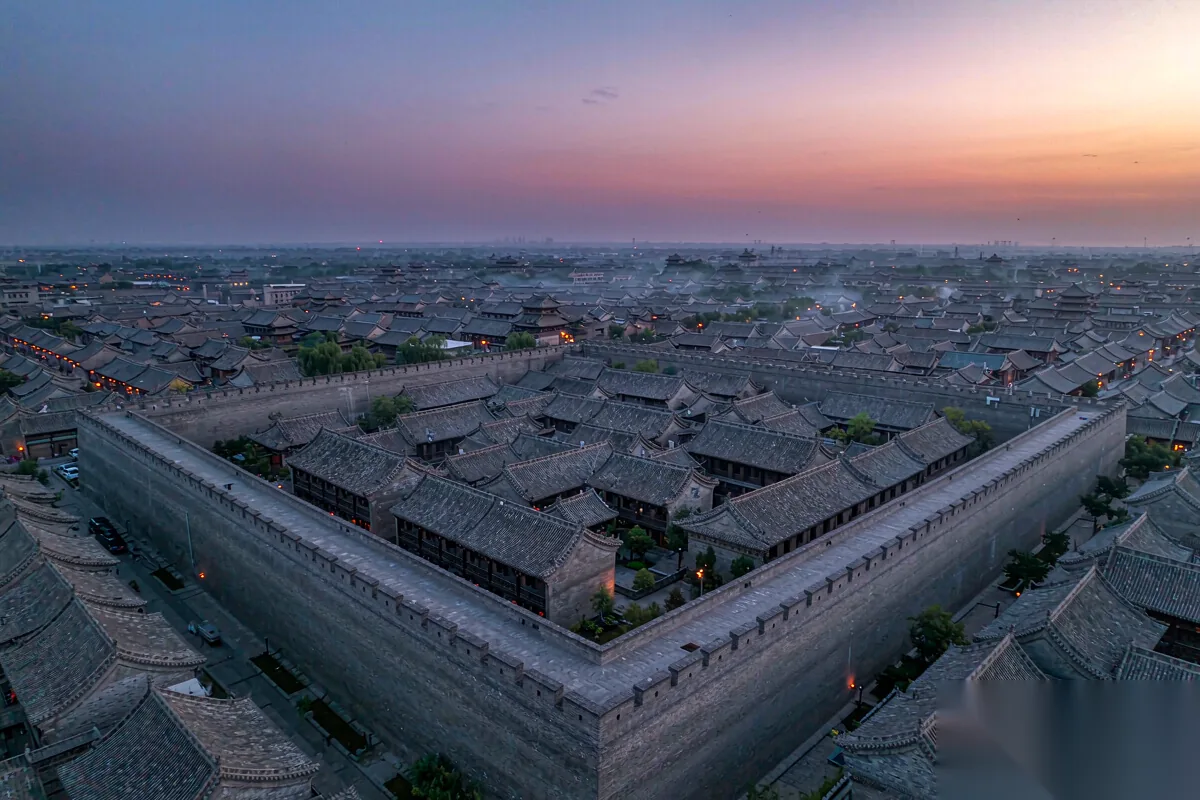
The walls
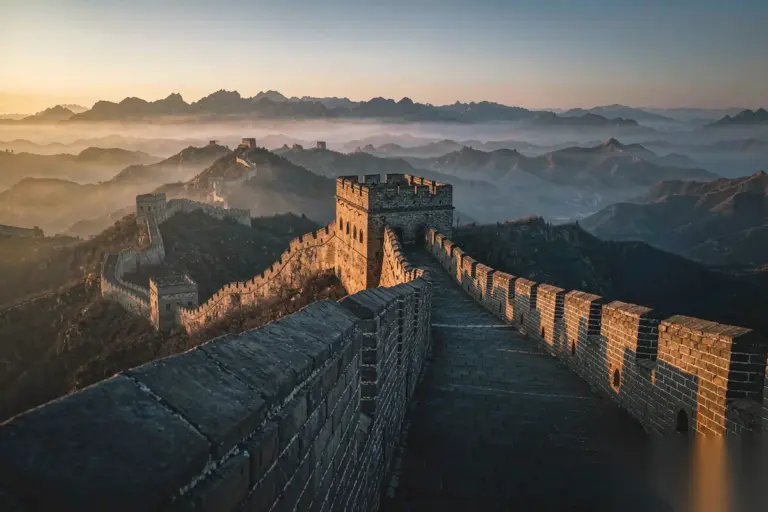
Pingyao’s walls are the main event. They’re 10 meters high, 6 km around, and over 600 years old.
The shape is unusual: it’s laid out like a turtle, with the south gate as the head, the north gate as the tail, and four gates as legs. The Chinese call it “Turtle City” — a symbol of longevity.
You can walk the walls. It takes about 90 minutes, and the view over the grey-tiled roofs is worth it.
The streets
Inside, the streets are laid out in a grid: four main streets, eight smaller ones, 72 lanes.
The main street — Ming-Qing Street — is the old commercial center. It’s lined with shops, banks, and courtyard houses, many still in original form.
Pingyao was once China’s financial center. The first Chinese bank, Rishengchang, opened here in 1823. You can visit it today.
The houses
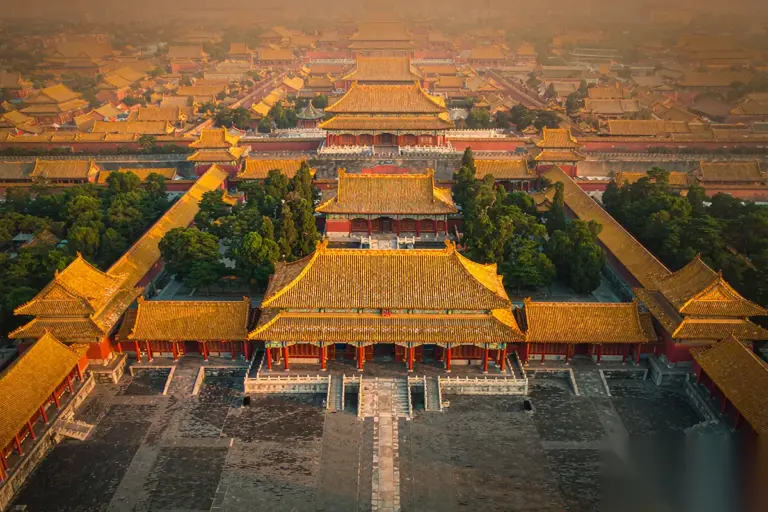
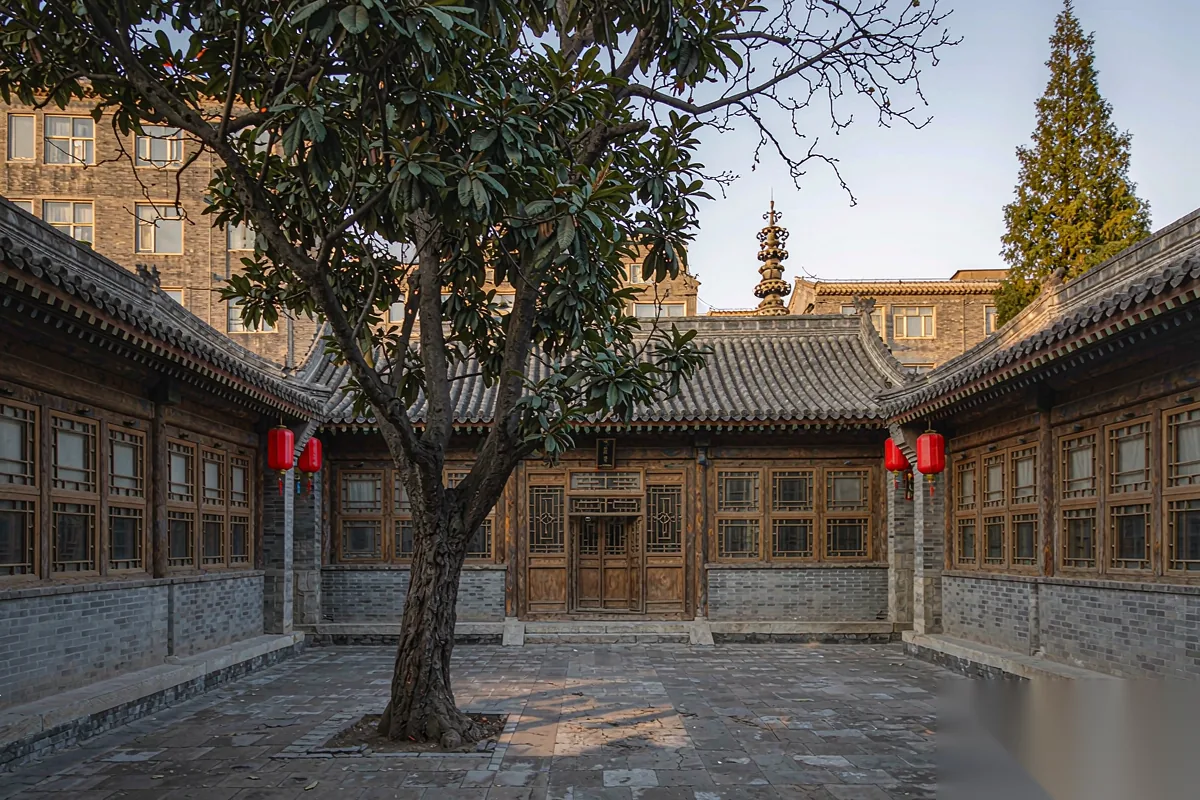
Most buildings are single-story courtyard houses: grey brick, sloping roofs, wooden doors. Families lived around a central courtyard, with rooms on all four sides.
It’s a style you’ll see across northern China — but in Pingyao, it’s preserved at scale.
Why it survived
Pingyao’s luck was economic. In the 20th century, the city’s banking industry declined, and there was no money to tear down the old buildings and put up new ones.
So they stayed. When China started preserving historic towns in the 1980s, Pingyao was already intact.
What it feels like
Walking Pingyao at dusk, when the tourists thin out and the lanterns come on, is one of those travel moments that stays with you.
It’s quiet. The streets are grey and worn. Old men play cards outside their doors. Somewhere, a shopkeeper is closing up.
It’s not a museum. People live there. That’s the point.
Practical notes
- Getting there: about 1.5 hours by high-speed train from Beijing, then a short bus.
- Stay: guesthouses in courtyard houses — cheap and atmospheric.
- Eat: Pingyao beef (平遥牛肉), a local specialty.
- Best time: spring or autumn. Summer is crowded; winter is cold but quiet.
Want the full story?
Our book Old Chinese Towns covers Pingyao, Lijiang, Fenghuang, and more — the towns where China’s past is still lived in.
And for the architecture that shaped these places, Great Chinese Architecture is the natural companion.