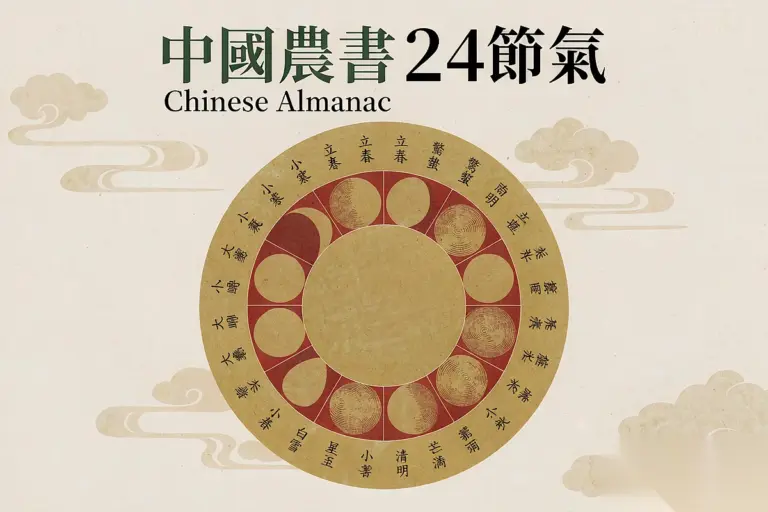
Every January, someone asks me: “Is it Chinese New Year or Spring Festival?”
And every January, I give the same answer: yes.
They’re the same holiday. Same food, same red envelopes, same sixteen days of eating too much. The difference is just language — and who’s talking to whom.
Let me untangle it.
The short answer
- Spring Festival (春节, chūnjié) is the Chinese name — literally “spring festival.”
- Chinese New Year is the English name, used when talking to people outside China.
- Lunar New Year is the broader term, used across Asia for related holidays.
Same day. Different emphasis.
Why do Chinese people say “Spring Festival”?
In Chinese, the holiday is 春节 — literally “spring festival.” It marks the start of spring in the traditional calendar, right after the coldest weeks of winter.
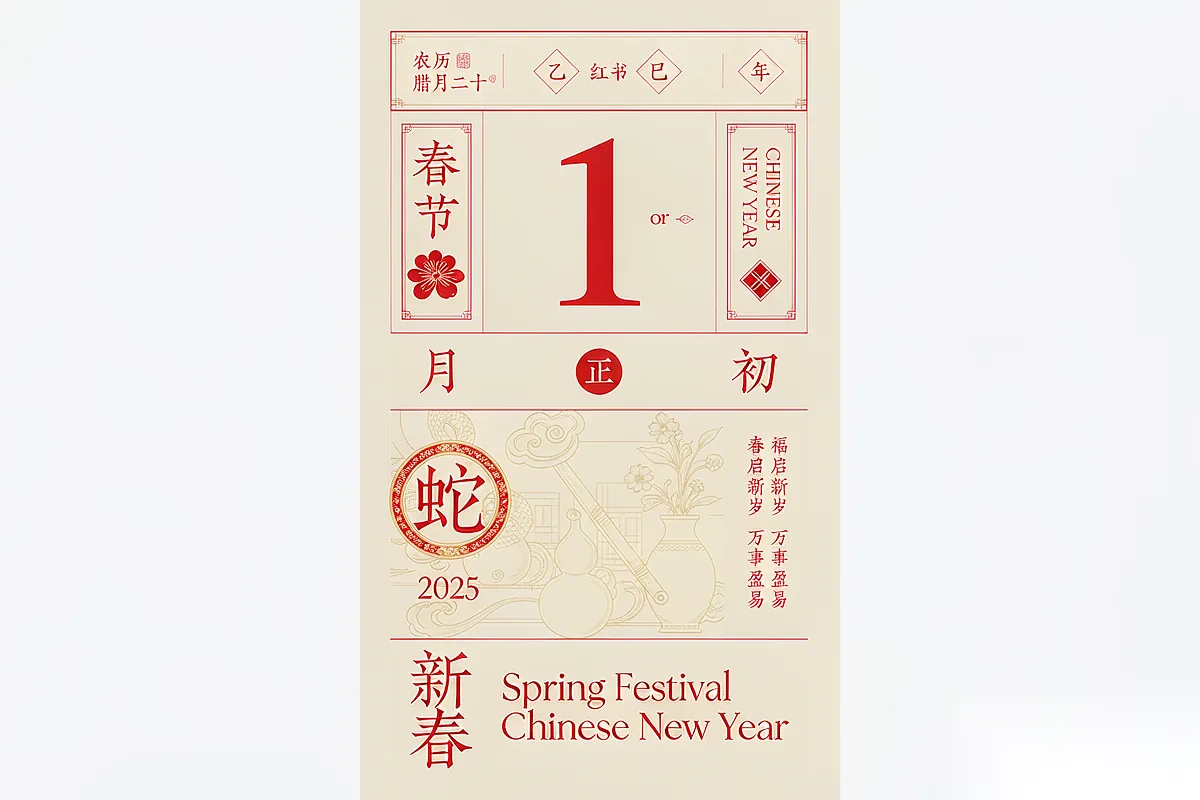
The name is old, poetic, and rooted in farming. For centuries, this was the moment farmers rested, families reunited, and everyone waited for the thaw.
So when Chinese people talk about it in Chinese, they say 春节. When they switch to English, many say “Chinese New Year.” Same holiday, different mouth.
Why do English speakers say “Chinese New Year”?
Because it’s clear. “Spring Festival” could belong to any culture with a spring. “Chinese New Year” tells you exactly whose new year it is.
For a global audience — and for anyone planning a trip, a menu, or a marketing campaign — “Chinese New Year” is the safer, more recognizable choice.
What about “Lunar New Year”?
This is where it gets slightly delicate.
“Lunar New Year” is broader — it covers celebrations in Korea, Vietnam, and other parts of Asia that follow a lunar calendar. It’s inclusive, and it’s become common in international settings.
But here’s the catch: the Chinese calendar isn’t purely lunar. It’s lunisolar — it tracks both the moon and the sun. So “lunar” isn’t strictly accurate for the Chinese holiday.
Most Chinese people prefer “Chinese New Year” or “Spring Festival.” Use “Lunar New Year” when speaking broadly about the region, but know the nuance.
So which should you use?
| If you’re… | Use |
|---|---|
| Talking to Chinese friends, in Chinese | 春节 (Spring Festival) |
| Writing in English for a general audience | Chinese New Year |
| Speaking about Asia-wide celebrations | Lunar New Year |
| Writing in English for a Chinese audience | Either — most prefer Chinese New Year |
The part everyone forgets
The name matters less than the thing itself.
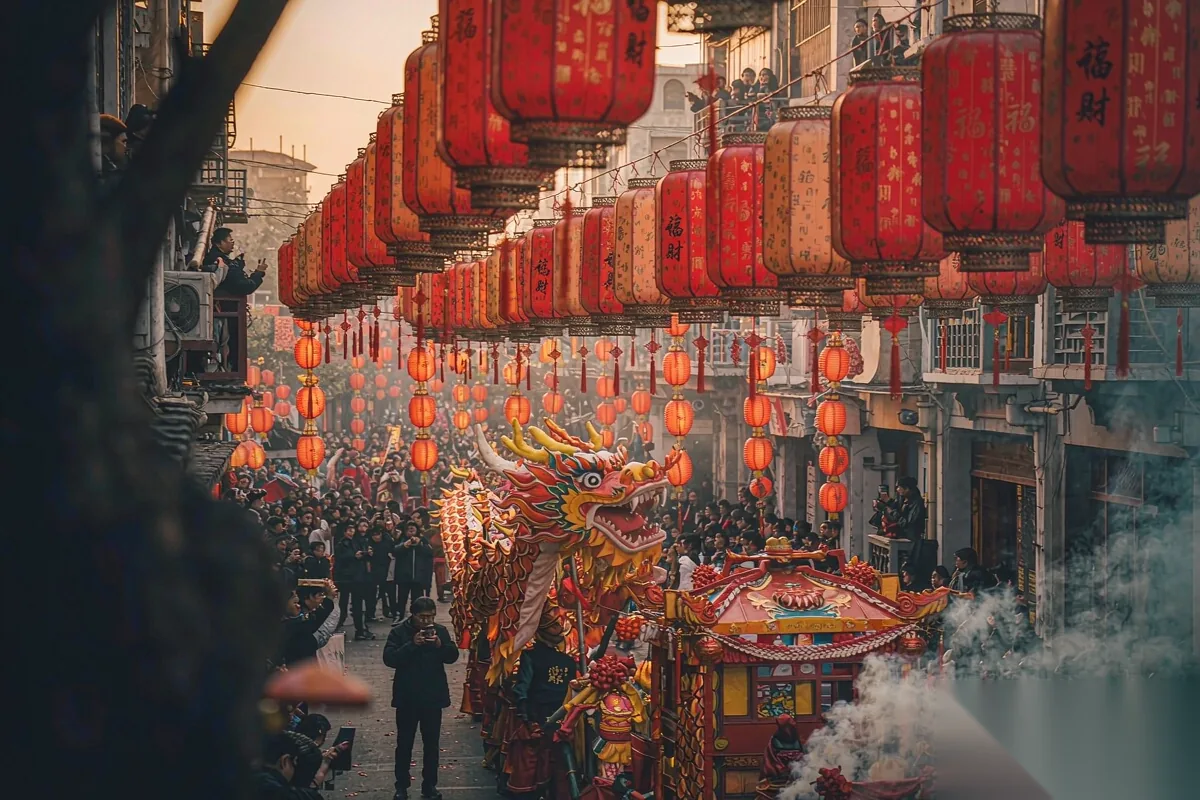
It’s the one time of year when a billion people stop, go home, and eat dinner with their families. Trains sell out weeks in advance. Red envelopes change hands. Firecrackers — or, these days, their digital cousins — light up the night.
Whether you call it Spring Festival or Chinese New Year, you’re talking about the same remarkable thing: the largest annual human migration on Earth, wrapped in dumplings and good intentions.
Want the full story?
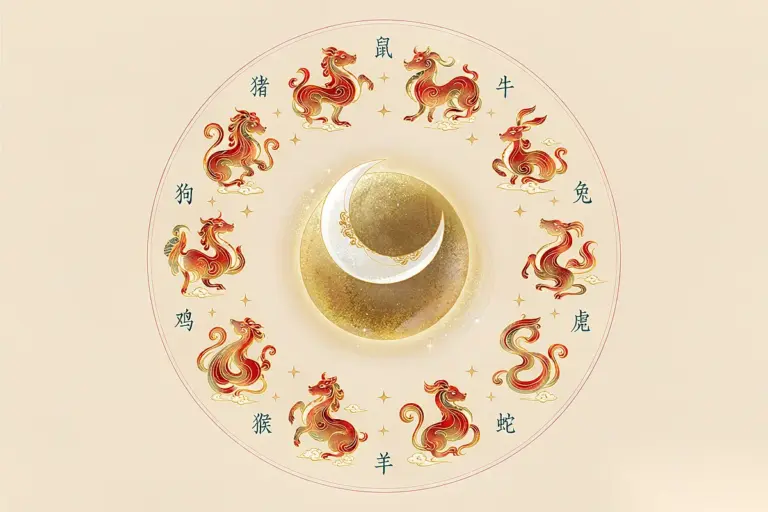
If you want to understand why the holiday works the way it does — the zodiac animals, the lantern festival, the food — our book Chinese Festivals walks through it plainly, one festival at a time.
And if you’re curious about the stories behind the celebrations, Chinese Folktales is the natural next read. Both are short, friendly, and free of footnotes.
Happy new year — whichever name you choose.