Every April, China goes quiet for a few days. Families travel to the countryside, sweep graves, leave flowers, and burn paper offerings. It’s the one major holiday that isn’t about celebration at all.
It’s Qingming — the Tomb-Sweeping Festival.
Here’s what it means, and why it’s still so important.
What is Qingming?
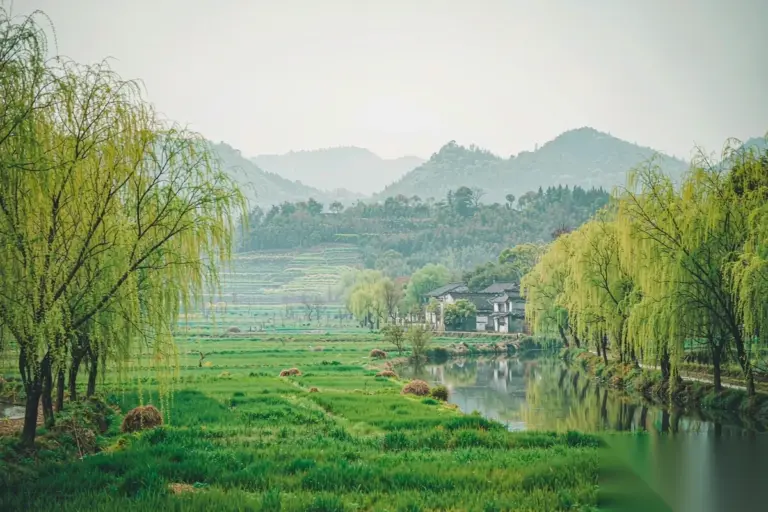
Qingming (清明节) falls around April 4–5. The name means “clear and bright” — it marks the point in spring when the weather turns warm and the skies clear.
It’s both a solar term (a marker in the traditional farming calendar) and a festival. The two merged over 2,000 years ago.
What people actually do
- Sweep the graves. Families clean tombstones, pull weeds, leave fruit and flowers.
- Burn paper offerings. Paper money, paper houses, even paper phones — things the deceased might need.
- Fly kites. A Qingming tradition, especially in the north.
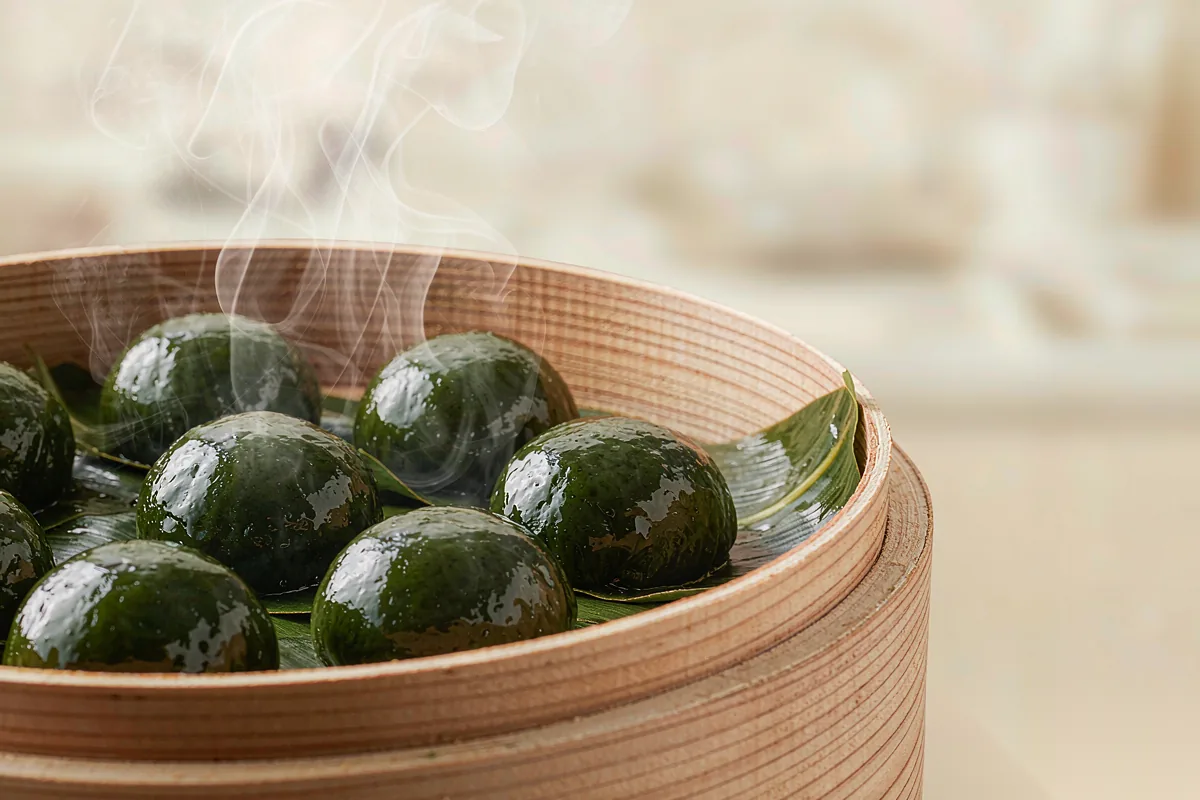
- Eat qingtuan. Green rice balls filled with red bean paste, made with mugwort.
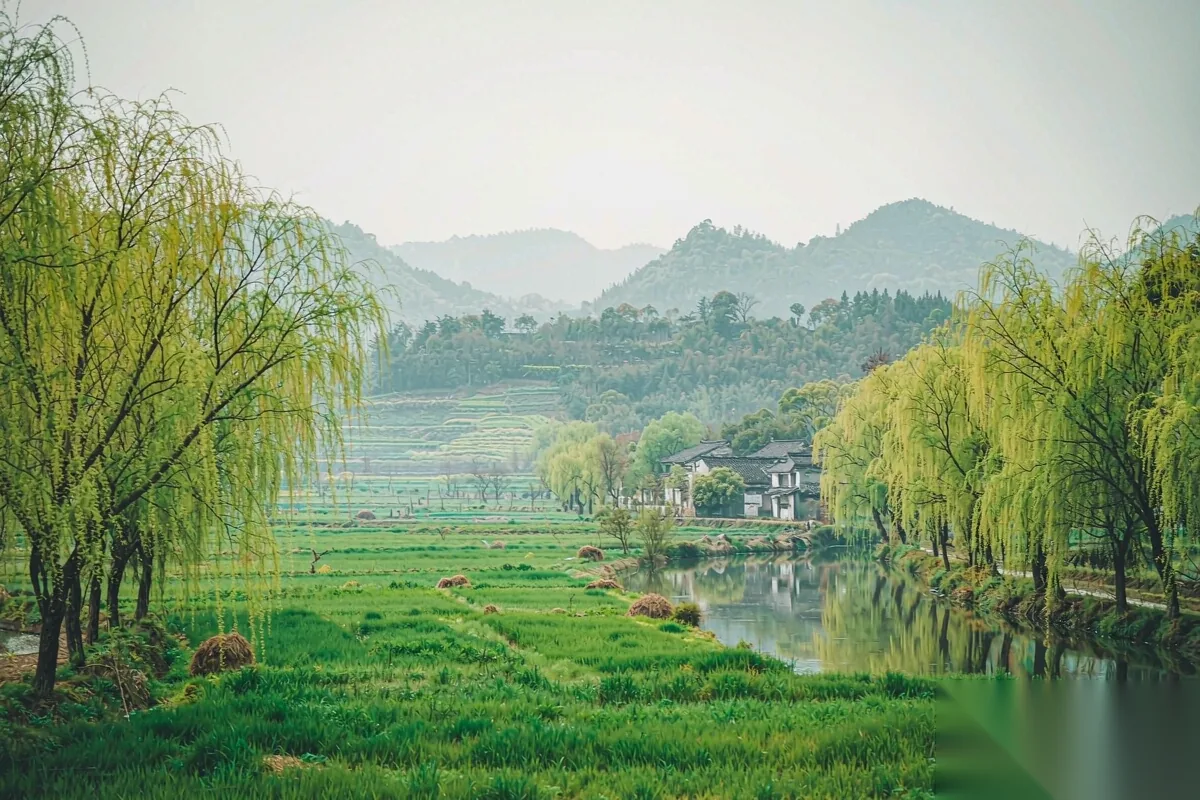
- Go outside. The festival is also a spring outing — walking, picnicking, enjoying the new season.
Why it matters
Qingming is China’s biggest “remembering” holiday. It’s when families honor ancestors and reconnect with their roots.
For many people, it’s the one time a year they return to their hometown. Trains fill up. Roads jam. And the cemeteries — usually quiet — become crowded and alive.
The mood
It’s not sad, exactly. It’s reflective. There’s grief, but also warmth: families together, spring in the air, the sense that the dead are still part of the family.
A note on the name
“Qingming” doesn’t mean “tomb-sweeping.” It means “clear and bright.” The tomb-sweeping is what people do, not what the name says.
In Chinese, the full name is 清明节 — “clear and bright festival.” The English “Tomb-Sweeping Day” is descriptive, but it misses the poetry.
How it fits with other festivals
Qingming is one of China’s four major festivals:
- Spring Festival — reunion and new year
- Qingming — remembering the dead
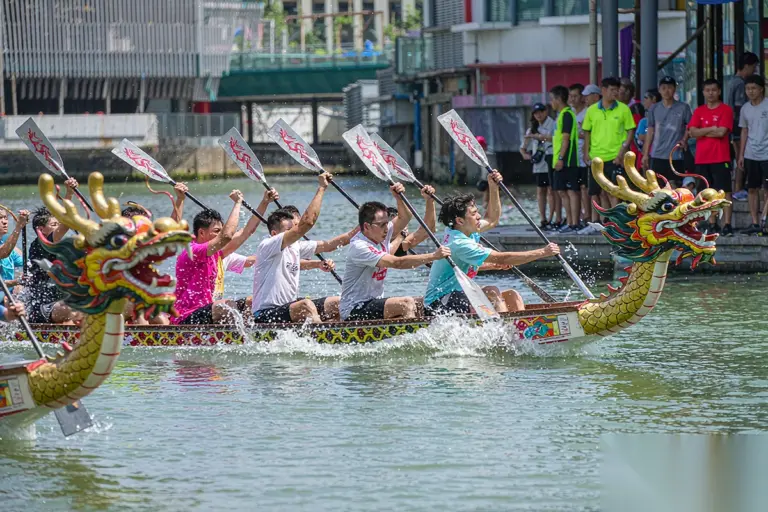
- Dragon Boat — racing and remembrance
- Mid-Autumn — the moon and family
Together, they cover the emotional range of a year: joy, grief, excitement, longing.
Want the full story?
Our book Chinese Festivals walks through all of them — Qingming, Spring Festival, Mid-Autumn, and more — one festival at a time, in plain English.