Skip to content
  • Home
  • BooksExpand
    • Folklore · 民俗
    • Culture · 风俗
    • Architecture · 建筑
  • About
  • Blog
  • Contact
Browse Books
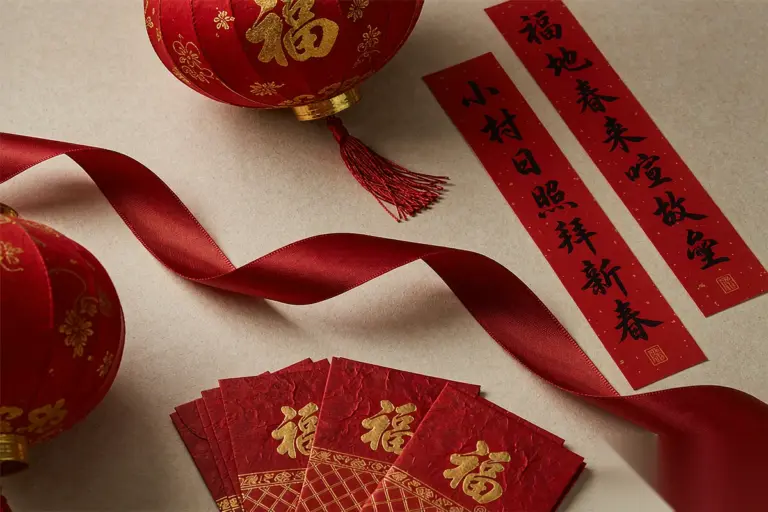
  • Red lanterns and couplets
    Chinese Culture

    What Do Chinese Colors Mean? Red, Yellow, White & More

    Byhollis October 22, 2026October 23, 2026

    Color in China isn’t decoration. It’s language. Red means luck. White means mourning. Yellow was once reserved for the emperor. Green can mean both “nature” and “being cheated on.” Here’s the guide. Red — luck, joy, protection The most important color in Chinese culture. Used for weddings, New Year, festivals, and gifts. Why? Blood, fire,…
    Read More What Do Chinese Colors Mean? Red, Yellow, White & MoreContinue

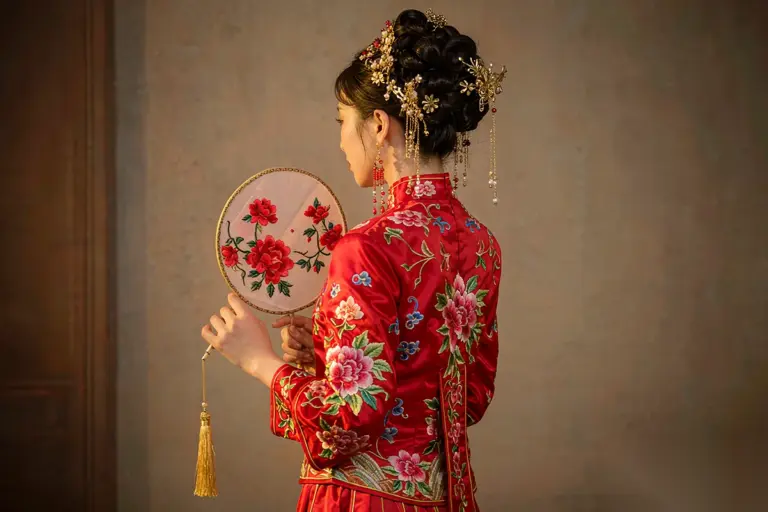
  • Chinese bride in a red qipao
    Chinese Culture

    Chinese Wedding Traditions: Tea Ceremony, Red Dress & More

    Byhollis October 22, 2026October 23, 2026

    Chinese weddings are loud, red, and full of rules. Many are ancient; some are new; all of them mean something. Here’s the plain-English guide. Before the wedding Matching horoscopes: traditionally, families consult a fortune teller to check the couple’s zodiac compatibility. Betrothal gifts (彩礼): the groom’s family gives gifts or money to the bride’s family…

    Read More Chinese Wedding Traditions: Tea Ceremony, Red Dress & MoreContinue

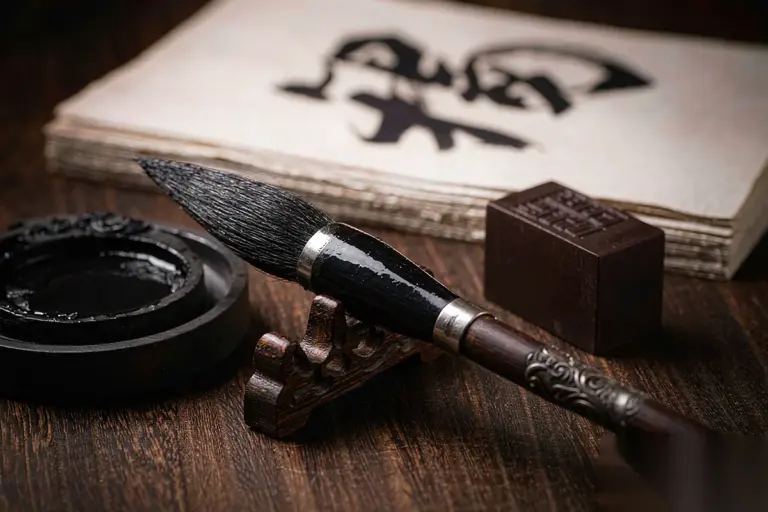
  • The Four Treasures of the study
    Chinese Culture

    Chinese Calligraphy: A Beginner’s Guide to the Brush

    Byhollis October 22, 2026October 23, 2026

    Chinese calligraphy is often called the highest form of Chinese art. Not painting, not poetry — calligraphy. Why? Because for 2,000 years, how you wrote mattered as much as what you wrote. A single character could show discipline, emotion, and character (in both senses). Here’s what it actually is, and how to look at it….

    Read More Chinese Calligraphy: A Beginner’s Guide to the BrushContinue

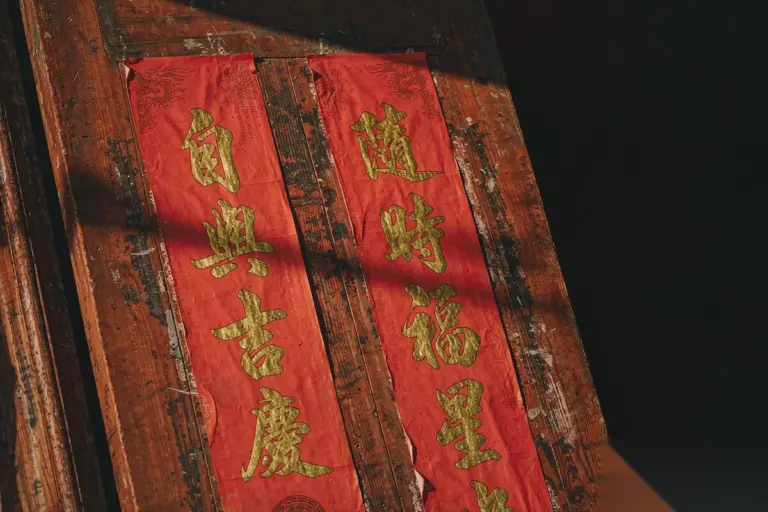
  • Chinese red couplets
    Chinese Culture

    Why Is Chinese New Year Red?

    Byhollis October 22, 2026October 23, 2026

    Look at any Chinese New Year celebration and you’ll see one color everywhere: red. Red lanterns. Red couplets on doorways. Red envelopes. Red clothes. Even the food is often red. Why? Three reasons, layered on top of each other. Reason 1: The monster The oldest explanation is a monster called the Nian. Legend says the…

    Read More Why Is Chinese New Year Red?Continue

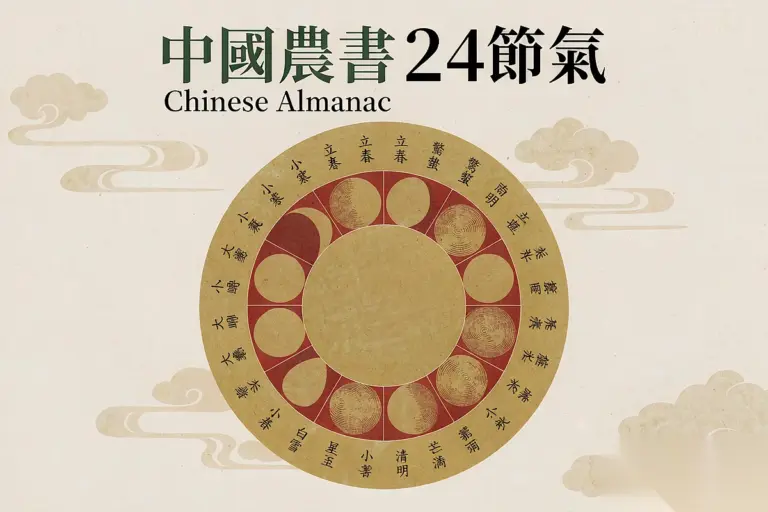
  • Chinese lunisolar calendar
    Chinese Culture

    The Chinese Lunar Calendar, Explained Simply

    Byhollis October 22, 2026October 23, 2026

    Why does Chinese New Year move every year? Why does it sometimes fall in January and sometimes in February? And why does a lunar month sometimes have 29 days and sometimes 30? All of it comes down to one thing: the Chinese calendar isn’t lunar. It’s lunisolar — it tracks both the moon and the…

    Read More The Chinese Lunar Calendar, Explained SimplyContinue

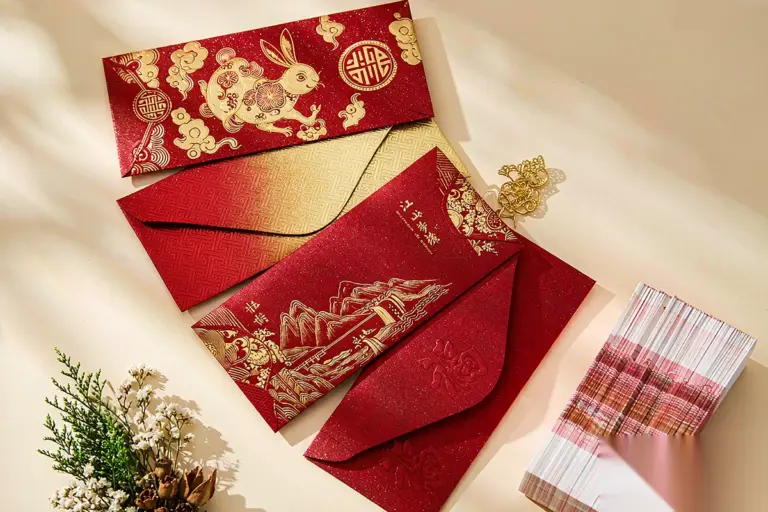
  • Chinese red envelopes
    Chinese Culture

    Chinese Red Envelopes: The Complete Guide

    Byhollis October 22, 2026October 23, 2026

    Every Chinese New Year, a small red paper envelope becomes the center of the universe. It’s called a hongbao (红包) — literally “red packet” — and inside is money. Giving one is a gesture of luck, blessing, and sometimes social strategy. Here’s how it actually works. The numbers rule In Chinese culture, numbers carry meaning:…

    Read More Chinese Red Envelopes: The Complete GuideContinue

  • Dragon boat race
    Chinese Culture

    Dragon Boat Festival Explained: Qu Yuan, Zongzi & the Race

    Byhollis October 22, 2026October 23, 2026

    Every summer, rivers across China fill with long boats carved like dragons, and the air smells of steamed bamboo leaves. It’s the Dragon Boat Festival — one of China’s four biggest holidays, and easily the loudest. Here’s what it actually is, and why it’s worth knowing. What is it? The Dragon Boat Festival (端午节, duānwǔjié)…

    Read More Dragon Boat Festival Explained: Qu Yuan, Zongzi & the RaceContinue

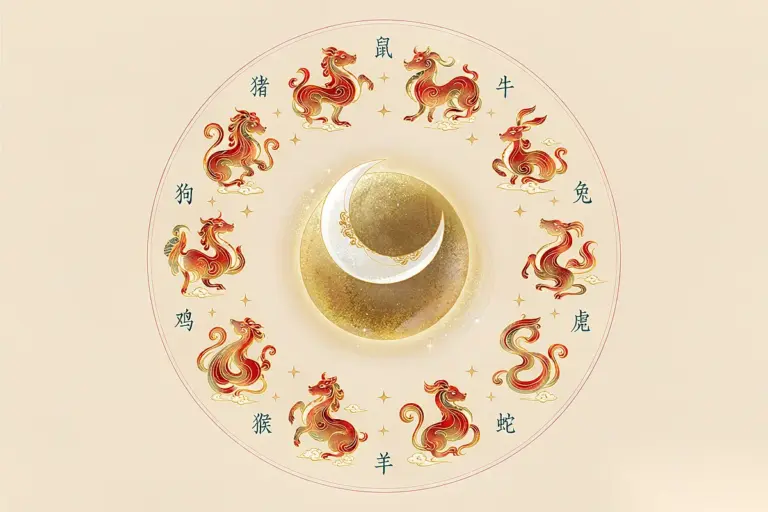
  • Chinese zodiac wheel
    Chinese Culture

    Chinese Zodiac Animals: The 12 Signs Explained

    Byhollis October 22, 2026October 23, 2026

    Every Chinese New Year, someone asks: “What’s my sign?” And then everyone spends ten minutes calculating lunar dates and arguing about whether January babies count. The Chinese zodiac is a 12-year cycle, each year tied to an animal. It’s simple on the surface and surprisingly deep underneath. Here’s the plain-English version. The 12 animals, in…

    Read More Chinese Zodiac Animals: The 12 Signs ExplainedContinue

  • Spring landscape during Qingming
    Chinese Culture

    What Is Qingming Festival? China’s Day of Remembering

    Byhollis October 22, 2026October 23, 2026

    Every April, China goes quiet for a few days. Families travel to the countryside, sweep graves, leave flowers, and burn paper offerings. It’s the one major holiday that isn’t about celebration at all. It’s Qingming — the Tomb-Sweeping Festival. Here’s what it means, and why it’s still so important. What is Qingming? Qingming (清明节) falls…

    Read More What Is Qingming Festival? China’s Day of RememberingContinue

  • Spring landscape during Qingming
    Chinese Culture

    Why We Eat Mooncakes: The Mid-Autumn Festival Explained

    Byhollis October 22, 2026October 23, 2026

    Once a year, Chinese bakeries go slightly insane. Shelves fill with mooncakes — dense, round pastries stuffed with lotus seed paste, salted egg yolks, red bean, even ice cream. People buy them in ornate boxes, give them to relatives, and complain about the calories while eating a second one. But why mooncakes? Why the moon?…

    Read More Why We Eat Mooncakes: The Mid-Autumn Festival ExplainedContinue

Page navigation

1 2 Next PageNext
古Chinglishtogo

China's best stories, in English you can actually read.

Explore

All BooksFolkloreCultureArchitecture

Company

AboutBlogContactFAQ

Legal

Terms of UsePrivacy PolicyRefund Policy

© 2026 Shenzhen Botu Technology Co., Ltd.
Scroll to top
  • Home
  • Books
    • Folklore · 民俗
    • Culture · 风俗
    • Architecture · 建筑
  • About
  • Blog
  • Contact