Color in China isn’t decoration. It’s language.
Red means luck. White means mourning. Yellow was once reserved for the emperor. Green can mean both “nature” and “being cheated on.”
Here’s the guide.
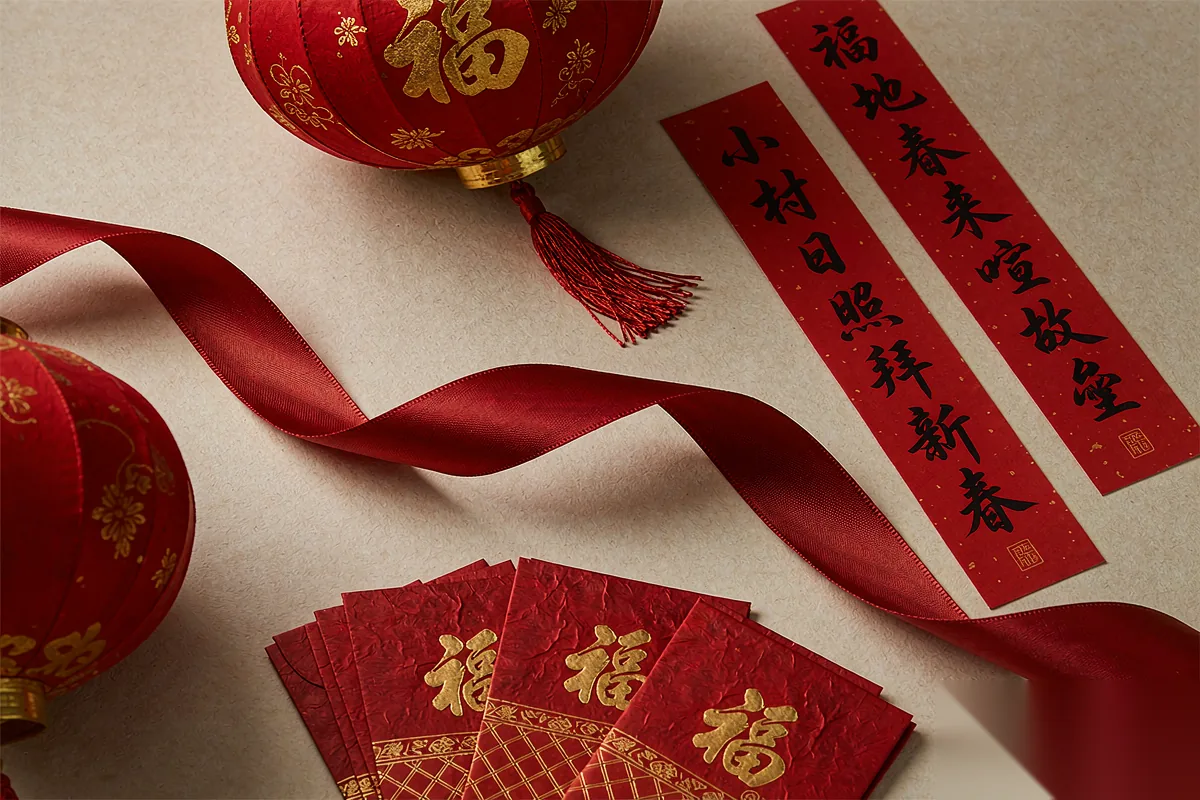
Red — luck, joy, protection
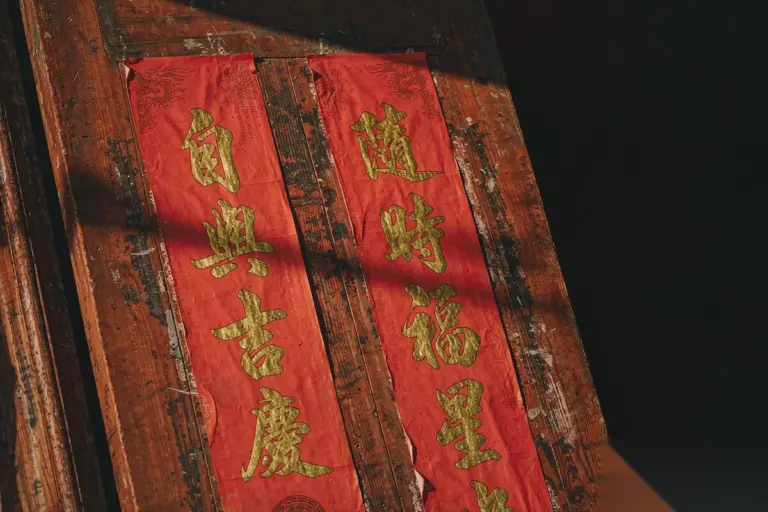
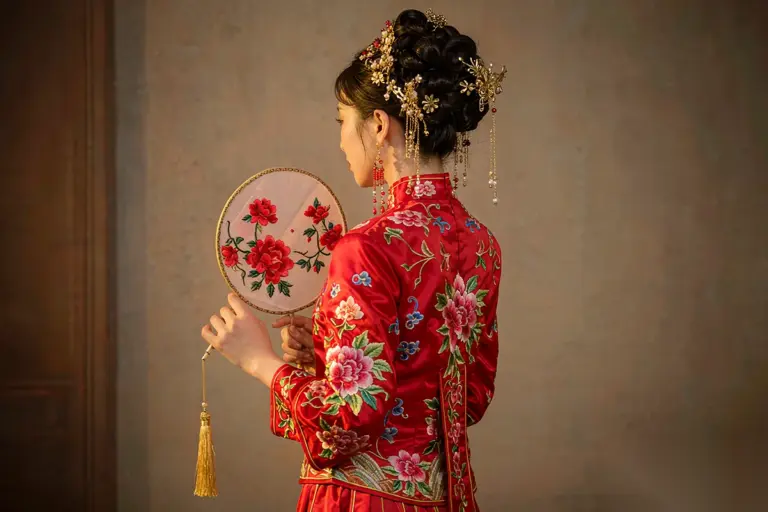
The most important color in Chinese culture. Used for weddings, New Year, festivals, and gifts.
Why? Blood, fire, life — and the legend of the Nian monster, who feared red.
But: writing someone’s name in red ink is considered bad luck (historically used for death sentences).
Yellow — the emperor’s color
Yellow was reserved for the emperor. Only imperial roofs, robes, and documents could use it. Commoners who wore yellow could be executed.
Today it means “royal” or “imperial” — and it’s still the color of the Forbidden City’s roofs.
White — mourning
In the West, white is for weddings. In China, white is for funerals.
Mourning clothes are white. White flowers at a wedding would be a disaster.
Black — formal, sometimes ominous
Black is neutral and formal in modern China (business suits, cars). But traditionally it’s associated with funerals and bad luck.
Green — nature, but also “cheated on”
Green means growth, spring, and nature. But “wearing a green hat” (戴绿帽子) means being cheated on — a slang phrase with a long history.
Blue — calm, modern
Blue is less loaded. It’s the color of calm, sky, and water. Modern Chinese brands use it heavily.
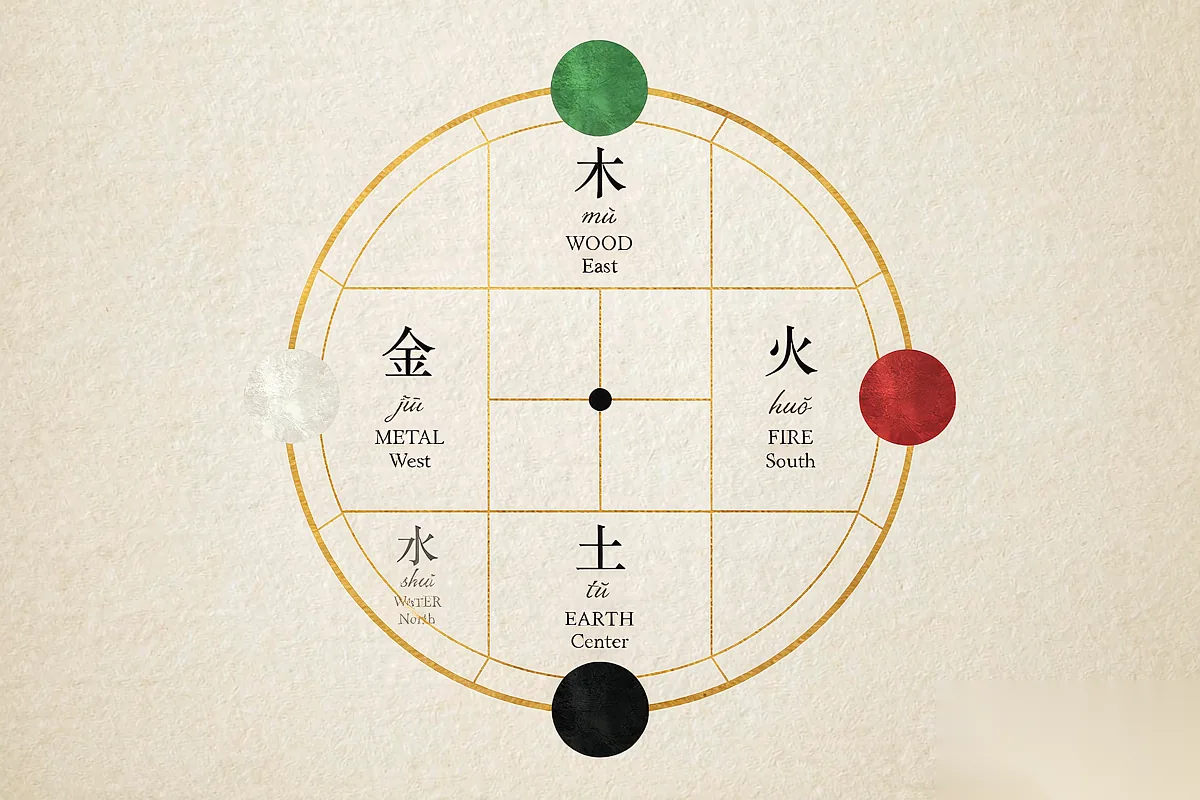
The five-element system
| Color | Element | Direction |
|---|---|---|
| Green / Blue | Wood | East |
| Red | Fire | South |
| Yellow | Earth | Center |
| White | Metal | West |
| Black | Water | North |
This system shaped everything from architecture to clothing to medicine.
The takeaway
In China, color is never neutral. Before you choose a gift wrap or a wedding dress, check what it says.
Want the full story?
Our book Chinese Festivals explains why red took over the New Year — and Chinese Folktales has the monster story behind it.